Best Crypto Casinos US – Fast Payouts
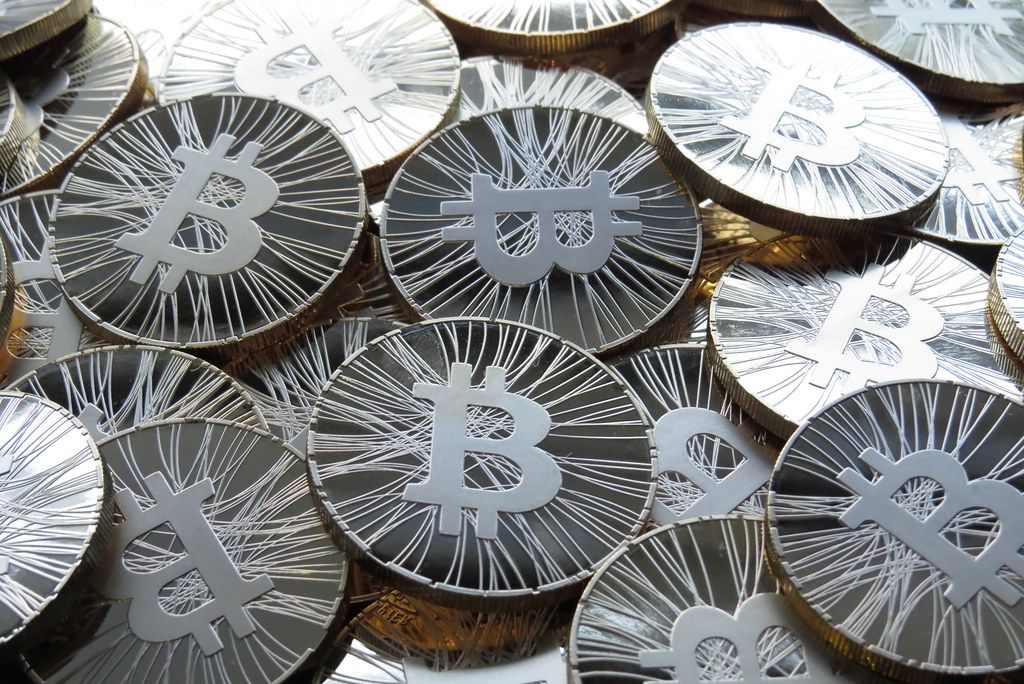
Crypto Casinos: An Overview of Benefits, Risks, and Regulations
Crypto casinos allow you to use Bitcoin, Ethereum, or stablecoins like USDT or USDC to play online casino games. They’re convenient, but also pose certain risks. I’ll cover the pros and cons here, along with a quick review of the different types you’ll encounter, and regional legal differences. This is not legal or financial advice. Be safe, and use resources like BeGambleAware, NCPG, or GamblingTherapy if you need them.
What is a crypto casino and how does it work?
A crypto casino is a casino where all transactions are conducted using cryptocurrency. This includes deposits, gameplay, and withdrawals. BTC is the most popular coin but ETH has grown popular. Some casinos also allow stablecoin deposits like USDT and USDC. You deposit to a wallet address provided by the casino. Once the transaction receives a certain number of confirmations, the funds will be available for playing. There are two main types of crypto wallets;
There are two wallet types you may use:
- Custodial wallet: A third party (like the casino or an exchange) holds your coins. Easier for new users, but you trust them with your funds.
- Non-custodial wallet: You hold your own keys (seed phrase). More control, but you must keep it safe. If you lose your seed, funds are gone.
Many crypto casinos say they are “provably fair.” This means you can check each game round with math. The game uses a server seed and a client seed. It makes a hash before the round. After the round, you can verify that the result matches the hash and was not changed. Learn more about the idea of hashing on Bitcoin.org and about Ethereum basics on Ethereum.org.
Key benefits of crypto casinos
- Fast payouts: Crypto payouts can take minutes to hours, not days. Bank wires and cards can be much slower, and card chargebacks are not an option with crypto.
- Lower fees: Many sites cover small network fees. Some chains are cheap (for example, certain stablecoin networks). Note that busy times can raise fees.
- Global access (with legal limits): Crypto can work across borders. But each country has its own rules. Always check local law and site terms first.
- Provably fair tools: You can verify results yourself. This adds transparency for some in-house games.
- Higher limits and bonuses: Some crypto sites offer bigger limits and promos. Read the fine print: wagering rules, max cashout, and time limits matter.
- Stablecoins can cut price swings: If you worry about coin price moves, stablecoins like USDC/USDT may help reduce volatility risk. See issuer info at Circle and Tether Transparency.
- Growing trust tools: A few brands share “proof of reserves” or audits to show funds exist. Learn what “proof of reserves” means from Kraken’s explainer.
Real risks and downsides
- Legal gray areas: Laws differ by country and state. Some sites block certain regions. If you break the rules, your account may be closed and funds may be at risk. Check your local law first.
- Coin price swings: BTC and ETH can move a lot. Your bankroll value can drop fast. Stablecoins can help, but they depend on the issuer and the network.
- Network and fee spikes: Busy chains can be slow or expensive for a while. This can delay your payout or make micro cashouts costly.
- Security mistakes: Send on the wrong network? Funds can be lost. Share your seed phrase? Funds can be stolen. Use 2FA and whitelists if the site offers them. Learn security basics from UK NCSC.
- Scams and fake sites: Some operators lie about their license or “provably fair.” Always check license numbers on the regulator’s site and look for third‑party tests.
- Irreversible payments: Crypto has no chargebacks. If you send to a bad address, the money is gone.
- KYC surprises: Many sites need Know Your Customer checks before you can withdraw. This can include ID, address, and source‑of‑funds. KYC rules come from AML laws. See global AML standards at FATF.
- Harmful play risk: Fast and easy deposits can feed problem gambling. Set limits. Take breaks. Use self‑exclusion tools.
- Tax and reports: Winnings may be taxable. Track every deposit and withdrawal. See guidance from IRS (US), HMRC (UK), and ATO (AU).
The regulatory landscape: a global snapshot
Online gambling is regulated by location. Crypto adds extra rules for AML/KYC. Always check your local law and the casino’s terms. Below is a short, high‑level guide. Laws can change fast.
United States
- Online gambling is state by state. Many “crypto casinos” operate offshore and are not licensed in US states.
- Operators face AML duties under FinCEN rules. Players should check if play is legal in their state.
- For responsible gambling resources, see NCPG.
European Union / EEA
- Each member state sets its own gambling rules. Crypto adds AML checks due to EU rules and FATF guidance.
- Malta (MGA): The Malta Gaming Authority has a framework for accepting virtual assets with strong AML controls.
- Curacao: The Curacao Gaming Control Board is updating its system (LOK reform) to tighten oversight.
- United Kingdom (UKGC): The UK Gambling Commission allows crypto only with strict AML and source‑of‑funds checks.
Canada
- Ontario runs a regulated market via AGCO/iGaming Ontario, with strict standards. Use of crypto is limited on regulated sites.
- Other provinces differ. Check your province’s rules.
Australia
- The ACMA blocks illegal offshore gambling sites. Crypto gambling targeted at Australians is generally not allowed.
Asia and other regions
- Many countries have bans or tight limits (for example, mainland China). Always verify local law before you play.
Global AML pressure is rising. The FATF “Travel Rule” and other standards push for more data sharing between firms. Expect more identity checks over time.
How to choose a credible crypto casino
- License check: Confirm the license and number. Verify it on the regulator’s site (for example, UKGC register, MGA, Curacao GCB).
- Payments page: Look for clear info on supported coins, networks (ERC‑20, TRC‑20, etc.), fees, minimums, and average payout time.
- Provably fair details: Good sites show the algorithm, seeds, and have a simple verify tool. Try a few test rounds and verify them.
- Game suppliers and audits: Reputable providers and testing labs add trust. Look for names like eCOGRA and GLI.
- Security controls: HTTPS, 2FA, address whitelists, withdrawal locks, cold storage claims, and a status page for incidents.
- Reputation and support: Read recent user reports. Test live chat with a simple question. See how they handle disputes.
- T&Cs red flags: Watch for max win caps, low weekly withdrawal limits, strict bonus rollover, dormant fees, and clauses that ban VPNs.
- Responsible play tools: Check for deposit limits, time‑outs, self‑exclusion, and links to help groups.
Where to research crypto casinos
Before you send money, read independent reviews that test real deposits, KYC, and cashouts. Look for sites that show proof, screenshots, and dates. A helpful place to start is Rsa-Bet.co.za, which publishes clear pros and cons, license checks, and payout speed notes so you can compare options with less risk.
Step-by-step: make your first crypto deposit safely
- Set up a wallet: Use a well‑known app or hardware wallet. Write down your seed phrase on paper. Do not share it with anyone.
- Buy a small amount: Start small to learn the process. Use a trusted exchange that follows KYC rules in your area.
- Check the network: Make sure the deposit address and network match (for example, USDT on TRC‑20 goes to a TRC‑20 address). If you send on the wrong chain, funds can be lost.
- Send a test amount first: Try a small test deposit. Wait for confirmations. Most casinos show how many confirmations they need.
- Enable security: Turn on 2FA in your casino account. If the site offers an address whitelist or withdrawal lock, use it.
- Keep records: Save TXIDs, dates, and coin amounts. This helps with support, limits, and taxes.
Taxes, AML, and privacy basics
- Keep a ledger: Track every deposit and withdrawal with coin, fiat value at the time, and TXID. Simple records make tax time easier.
- Expect KYC/AML: Do not count on full anonymity. Many sites will ask for ID and source‑of‑funds, as required by law. See AML basics at FATF.
- Know your tax rules: Winnings may be taxable. Check official guidance like the IRS (US), HMRC (UK), and ATO (AU). If unsure, speak to a licensed tax pro in your country.
The future of crypto casinos
- More stablecoin use: We may see wider use of regulated stablecoins, with clearer rules and audits.
- Better transparency: More “provably fair” tools and on‑chain audits may arrive, plus broader proof‑of‑reserves.
- Stronger AML/KYC: Expect stricter checks due to global standards like the FATF Travel Rule and local laws.
- Safer user tools: Wider use of 2FA, withdrawal whitelists, spending limits, and clearer help options.
Conclusion
Crypto casinos can be fast, clear, and easy to use. But they are not risk‑free. Laws differ, coins can swing in price, and bad actors exist. If you choose to play, pick licensed sites, test small, use strong security, and set limits. Compare options and read hands‑on reviews before you deposit. Independent resources like Rsa-Bet.co.za can help you spot red flags early and avoid costly mistakes.
FAQs
Are crypto casinos legal in my country?
It depends on where you live. Many places allow online gambling only under local licenses. Always check your local law and the casino’s terms. When in doubt, do not play.
Do crypto casinos require KYC?
Many do, at least before withdrawal. You may need to show ID, address, and source‑of‑funds. This is due to AML rules from bodies like FATF.
What does “provably fair” mean?
It is a way to check game results with math. The casino gives seeds and a hash. After the round, you can verify the result was not changed. Good sites offer a simple verify tool.
Is it safer to use Bitcoin or stablecoins?
Stablecoins can reduce price volatility but have dependences on the coin issuer and blockchain network. Coins such as Bitcoin and Ethereum are subject to higher price fluctuations. Choose the coin that best addresses your risk tolerance and transaction fee.
Can I use a VPN to access a crypto casino?
The vast majority of online casinos disapprove of VPN usage. In fact, many websites will close the accounts of players using this tool. If you cannot access the site where you live, or if you are blocked in any way, a VPN cannot be the answer to your problem. Using one can violate the site's policies. Also, you should never ignore your local legislation.
What happens if I send coins on the wrong network?
If you don’t do this, you can lose the money you’ve sent. Make sure the coin (USDT, for example) and network ( crypto blockchain, say TRC‑20) match the receiving account (find your TRC‑20 address), and then send a test deposit to be sure.
How do I avoid scam casinos?
View the gambling license via their website. You can also seek out fair audits (eCOGRA or GLI), transparent terms and conditions and ample security. Consider reading current reviews and contact the customer support prior to making a significant payment.
Do I pay taxes on crypto casino winnings?
Usually. There are different guidelines in every country. You should keep all receipts and invoices and you will need to look this up in your nearest tax manual (look into IRS, HMRC and ATO). Consult a certified tax advisor if you have doubts, always.
Sources and further reading
- UK Gambling Commission (UKGC)
- Malta Gaming Authority (MGA)
- Curacao Gaming Control Board
- AGCO / iGaming Ontario
- Australian Communications and Media Authority (ACMA)
- Financial Crimes Enforcement Network (FinCEN)
- FATF: Virtual Assets and VASPs
- eCOGRA
- Gaming Laboratories International (GLI)
- Bitcoin.org: How it works
- Ethereum.org: Docs
- Kraken: Proof of Reserves
- Circle: What is USDC
- Tether: Transparency
- NCPG: Help & Treatment
- BeGambleAware
- GamblingTherapy
- IRS: Virtual currency guidance
- HMRC: Cryptoassets Manual
- ATO: Cryptocurrency
Please note that gambling can be addictive — please gamble responsibly. If you or a loved one have a gambling problem, it’s important to contact the National Council on Problem Gambling. This content is for informational purposes only and is not legal or tax advice. Certain sites may be compensated through third party publishers; always review terms on the actual site before registering or signing up.