Best Online Poker Sites US – low stakes for beginners
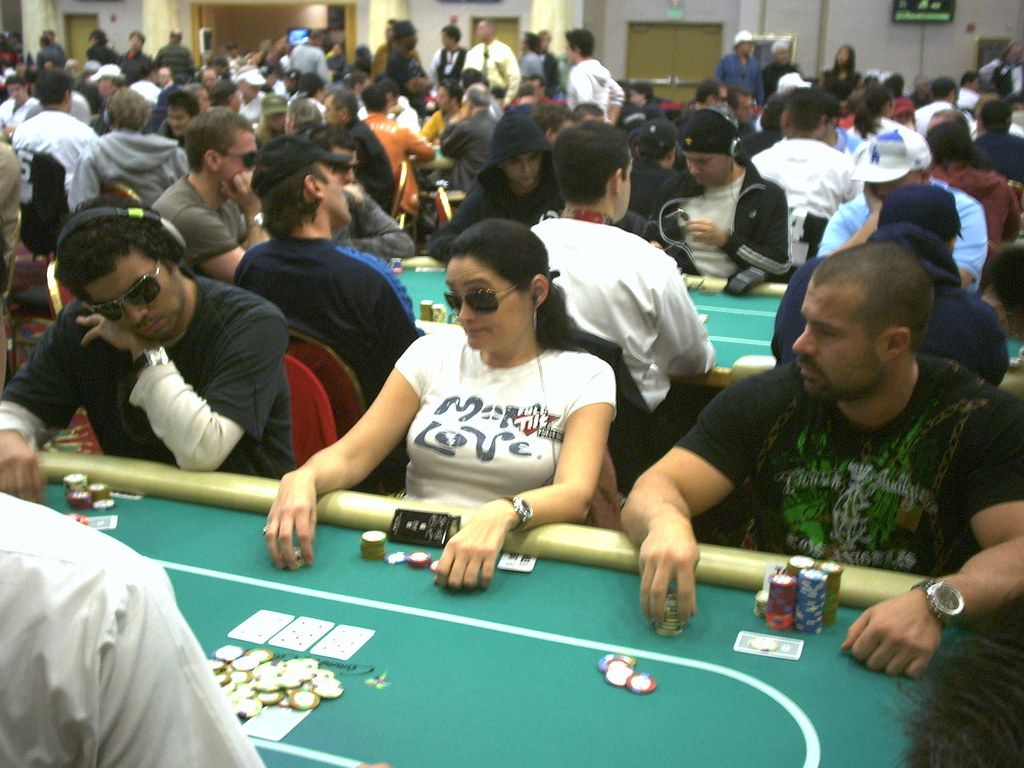
Poker Online: Cash Games vs. Tournaments for New Players
You sit at two doors. One says “Cash.” The other says “Tournaments.” Luis walks in first. He picks cash games. He plays three short nights a week. He wins small pots, loses some, and starts to read players on the flop. Mia takes the other door. She plays a Sunday event. Long run, big rush, but she busts near the bubble. A week later she ships a small daily and feels like a hero. Two roads. Same game. Very different days.
Can’t wait? Here’s the blunt answer
- If you have 45–90 minutes per session and want steady growth, start with cash games.
- If you love long runs, big finals, and can handle dry spells, try small-field tournaments first.
- If you want to learn postflop fast, play cash. If you want pressure play and push/fold skill, play tournaments.
- If your bankroll is tight and you tilt easy, cash is safer. If you can ride swings and stay calm, tournaments can fit.
What really changes at the table?
Stacks. Pace. Pressure. In cash, stacks stay deep. You buy in, sit, stand, and come back. Blinds do not rise. You face more turns and rivers. You learn to plan hands over many streets. In tournaments, blinds go up. Stacks get short. You face all-in spots. You feel bubble pressure. You cannot pause or leave. The clock runs you.
One more key shift: risk vs time. In cash, you can leave after a bad beat and reset. In a tournament, one hand can end your day. But one heater can pay for weeks. That swing is the draw and the trap.
Money mechanics that matter
Rake takes a slice of every pot in cash games. It lowers your long-term win rate (often shown as bb/100). Spend a minute on how rake works online. It is not fun, but it is the ground under your feet.
Tournaments pay top heavy. Most players get nothing. A few win big at the end. See a typical payout curve. This is why your results can look flat for weeks and then spike hard in one night. It is normal.
Room choice also matters. Rakeback, software, and field size change your edge. Before you deposit, compare safety, license, and payout speed. If you play from the U.S., check independent lists like safest online casinos USA 2026. Pick sites that protect players first. Then look at game mix and traffic.
Math break: variance without the fog
“Variance” is the word for luck swings. Think of it as noise that rides on top of your skill. In cash, a normal downswing can be 10–30 buy-ins even if you play well. In tournaments, 100–300 buy-ins down is not rare at small stakes. Field size, late-stage pressure, and top-heavy prizes cause it.
Want to see it? Try a variance calculator for tournaments. Plug in your ROI and field size. The chart may shock you. And if you still doubt luck’s role, skim this study on skill vs luck in poker. Skill wins in the long run. But the long run is longer than we feel day to day.
Coach’s note: In my first year online, I had a 22 buy-in dip in cash at NL25 over two weeks. I played fine. Coolers and set-over-set did it. In MTTs, I once bricked 37 entries in a row, then made two finals the next Sunday. This is normal if your study and bankroll are sound.
Skills that grow fastest in each path
Cash games teach you to play the flop, turn, and river with calm. You learn to plan bets, size well, and measure stack-to-pot ratio. Read a short primer on stack-to-pot ratio (SPR). You also learn to target weak players and catch bluffs at the right rate.
Tournaments teach you to value chips by life, not just by count. This is ICM. It says a stack’s worth changes near the bubble and at pay jumps. If you want a clear, quick take, see the Independent Chip Model. MTTs also build push/fold skill with short stacks and make you strong under time and pressure.
The bankroll and runway choice
Pick the path that your money and time can hold. Here is a table you can use today. It shows what to expect, how many buy-ins to keep, and what numbers to track. Treat it as a guide, not a rule. Your pool, rake, and focus all matter. For more detail, see these bankroll management guidelines.
I have $300 and 60–90 min sessions Play 2–4 tables of micro cash. Easy to pause or leave. Many postflop spots to learn. Late-reg small dailies or sit-n-gos. Runs can exceed your session time. Cash: 20–40 buy-ins (e.g., $2–$5 buy-in per table) Cash dips of 10–20 buy-ins are common bb/100, WTSD, WWSF I want thrill and finals Less spike, more steady grind. Wins feel smaller but add up. Big runs, loud highs, long dry spells. Learn to breathe near the bubble. MTT: 100–300 buy-ins for your average buy-in MTT downswings of 100–300 buy-ins ROI, ITM%, final tables per 100 I tilt easy after a bad beat Short stops help you reset. Table quit is your friend. One cooler can end your night. Harder to reset mid-event. Cash: stay lower until tilt control is solid Cash tilt stacks fast if you chase Session length, tilt notes, red-line trend I can play 4–6 hours on weekends Deep study time is great, but long sits are not required. Great for Sunday runs and series. Pick small fields to cut swing. MTT: 150–250 buy-ins for comfort Spikes tied to field size Average field size, deep runs per 100 I want fast skill growth Best for postflop and sizing. Clear hand review loops. Best for ICM, push/fold, bubble play. Bankroll must match volume needs Both swing; MTT swings are wider Hands reviewed per week, marked handsNote: Numbers above are common guides for micro to low stakes No-Limit Hold’em. Your results will vary with pool strength, rake, and your study time.
Time and lifestyle: make poker fit you
If you have kids, a job, and short nights, cash games fit well. You can sit for 45 minutes, book a win or loss, and stop. If you love “event” days, can block 4–6 hours, and like a story arc, tournaments feel great. If your sleep is key, do not late-reg deep night events. You will thank yourself.
Tools and the learning curve
For tournaments, learn short-stack charts and ICM spots. A simple way is to use an ICM calculator. Drill 10–15 push/fold hands a day. In cash, your best friend is clear tracking. A solid hand-tracking software shows leaks like “call too wide vs 3-bet.”
Note: some rooms limit HUDs or certain tools. Read rules before you load apps. Also check traffic by stake and by time zone. Big pools help your seat game.
A tiny decision tree (answer fast)
- Do you have less than 90 minutes per session most days? If yes → pick cash to start.
- Do you enjoy slow build and rare big peaks? If yes → add small-field MTTs.
- Does tilt hit you hard after one bad beat? If yes → cash first, one table, strict stop-loss.
- Do you want to learn turn and river plans fast? If yes → cash.
- Do you live for final tables and ladders? If yes → MTTs.
30-day starter plan
Week 1: Pick one format. Play small. In cash, play two tables for 60–90 minutes, three days. In MTTs, play two small events on set days. Mark 5 hands per session.
Week 2: Study the marked hands. For cash, check your bet size on turn and river. For MTTs, review near-bubble hands with ICM. Keep a log: time, mood, hands, one lesson.
Week 3: Add light volume. Cash: add a third table or a longer warm-up. MTTs: pick smaller fields to build late-game reps. Track bb/100 (cash) or ROI/ITM% (MTT).
Week 4: Fix one leak only. Cash: fold more vs turn raises? Or 3-bet a bit more in position? MTTs: stop slow-playing near ICM? Write a clear rule and follow it all week.
Mini experiment: test both, but with a plan
Run 10 hours of cash vs 10 MTT entries over two weeks. Hold stakes and focus equal. Track:
- Cash: bb/100, biggest losing pot, spots you felt lost on turn/river.
- MTT: ROI after 10 games, bubble hands, spots you timed out.
Pick the path that gave you clearer notes and calmer play. Not the one with the best short-term result.
Pitfalls and myths to dodge
- “MTTs grow bankrolls faster.” Sometimes. But you pay in swings and time. One top score can hide bad play. Do not let it.
- “Cash is boring.” Cash is clear. It builds real skill fast. The “boring” part is you learning to focus.
- “I can move up after one hot week.” No. Wait for sample size. In cash, think at least 50k hands. In MTTs, think a few hundred games at a stake.
- “Big fields are best.” Big fields mean bigger prize, but also more swing. Try small or mid fields first. Check past sizes at historical tournament fields.
- “Study is for pros.” Small, daily study beats none. Ten minutes a day wins long term.
Real table stuff you will face
Cash: You open on the button, get called. Flop is dry. You bet small. Turn pairs the board. Do you double barrel? Cash makes you answer this a lot. You learn lines that print over time.
MTTs: You are 12 left, 9 paid. You have 12 big blinds. UTG shoves, you have AQs in the cutoff. ICM says your life chip value is high. You may fold here. That idea is odd at first. Then it clicks.
How to track progress with simple stats
- Cash bb/100: Big blinds won per 100 hands. Positive is good. Early goal: break-even after rake, then +2 to +5 bb/100.
- WTSD: Went to showdown %. If too high, you call down too light. If too low, you fold too much.
- WWSF: Won when saw flop %. Helps you see if you fight enough for pots.
- MTT ROI: (Profit / Buy-ins) x 100. Aim to be positive over big samples.
- ITM%: In the money rate. Good to watch, but do not chase it at the cost of deep runs.
Money mindset and table rules
Pick a stop-loss before you sit. For cash, it can be two buy-ins per session at first. For MTTs, pick your number of entries for the night and stop there. Do warm-ups: two minutes to breathe, set goals, and check tilt signs. Do cool-downs: mark hands, write one note, close the client.
When to mix formats
Once you have a base, you can blend. For example: cash on weekdays, two MTT nights on weekends. Or cash focus with one daily small-field MTT for fun. Keep main study on your main format. Do not split your study thin.
Responsible play
Poker is for adults only. Laws change by country and state. Check your local rules. Set deposit and time limits. If you feel stress or chase losses, take a break. Learn more with safer gambling advice. In the U.S., get help at the help for problem gambling in the U.S.. In the UK, see support in the UK. Your health comes first. Always.
FAQ
How many buy-ins do I need at micro cash vs micro MTTs?
Cash: 20–40 buy-ins is a basic range. If you tilt easy, use 50+. MTTs: 100–300 buy-ins per average buy-in. Small fields let you go lower. Big fields need more.
Can I switch between formats?
Yes. But make one the main lane. Keep 80% of your volume and study in that lane for 2–3 months. Add the other for fun and skill cross-over.
Is ROI a good metric for beginners in MTTs?
It is the core one, but it swings a lot. Use a big sample. Also track deep runs per 100, and how you play near the bubble.
What if I only have 45 minutes on weekdays?
Cash, one or two tables. Set a timer. No late-reg MTTs that can trap you for hours.
Do I need a HUD on day one?
No. You can start with notes and simple tags. Later, add a tracker to spot leaks. Some sites limit HUDs, so read room rules first.
Wrap-up: pick the road that fits your life
Cash is your gym. Short, steady, skill first. Tournaments are your race day. Long, loud, and full of pressure. Both can be great. The “best” one is the one you can play with clear mind, good sleep, and a bankroll that lets you learn without fear.
Coach’s note: If you feel stuck, drop a stake, not the game. A small ego tax now saves you time later.
Sources worth a bookmark
- How online rake works
- Tournament payout basics
- MTT variance calculator
- Skill vs luck paper
- SPR explained
- ICM overview
- Bankroll guides
- ICMizer and PokerTracker
- Hendon Mob DB
- BeGambleAware, NCPG, GamCare
About the author
I have played online poker since 2012, from micro cash to low buy-in MTTs, with a focus on No-Limit Hold’em. I study with hand reviews, simple math, and clear notes. I believe new players should build slow, think simple, and protect their money and mind first.