The Gambler's Fallacy
What Is the Gambler's Fallacy? The 1913 Monte Carlo Story
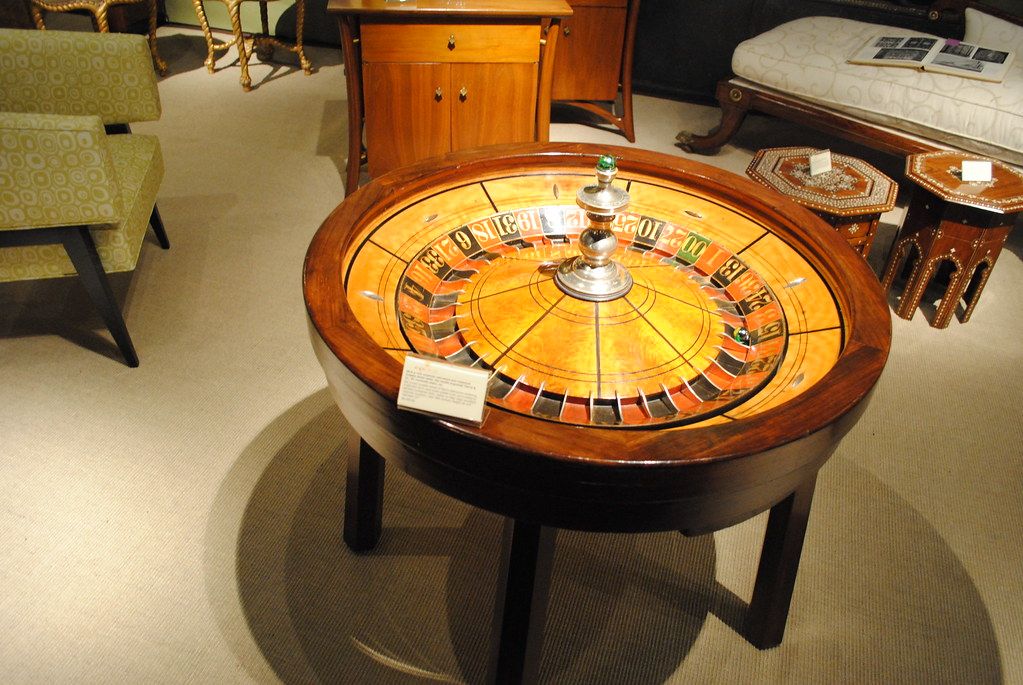
The gambler's fallacy is the mistaken belief that an independent, equally probable outcome that has happened less often than expected is more likely to occur in the future, or the reverse. Its most famous example is the 1913 roulette streak at the Monte Carlo Casino, where the ball landed on black 26 times in a row, which is why the error is also called the Monte Carlo fallacy.
The Monte Carlo streak of 1913
On August 18, 1913, an extraordinary run unfolded at a roulette table in the Monte Carlo Casino. The ball landed on black, not once, but 26 times in a row. According to a 2011 account in the Medical Journal of Australia, the wheel produced 10 blacks in a row, then 11, 12 and 13, and gamblers began to raise their bets against black because they were convinced red was "due." The run kept going, and it ended only after 26 consecutive black numbers.
The story is told in many retellings, and the surviving accounts are secondary rather than casino records from the night itself. The lesson it is used to teach, however, does not depend on the details.
Why each spin starts fresh
The mistake the gamblers made in Monte Carlo is one many people still make: treating independent events as if they must balance out over time. On a fair roulette wheel, each spin is random and independent of the last, and the chances of red, black or the green zero stay the same every time, a point the University of New South Wales makes in explaining the fallacy.
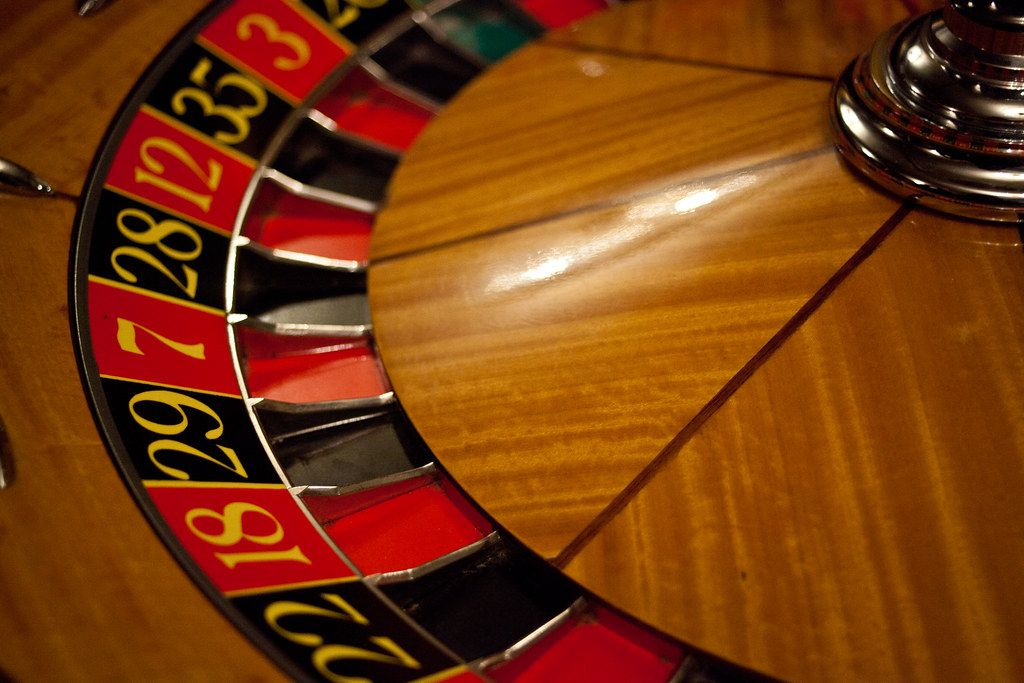
A little arithmetic shows why. A single-zero wheel has 37 pockets: 18 black, 18 red and one zero. The chance of black on any spin is 18/37, or about 48.6 percent. After 25 blacks in a row, the chance of black on the 26th spin is still 18/37, because the ball has no memory. What is rare is the whole sequence seen in advance: the probability of 26 spins in a row landing all red or all black is 2 × (18/37)^26, about 1 in 68.4 million. Streaks happen, but a streak that has already occurred does nothing to change the odds of the next spin.
From the gambler's fallacy to the hot hand
Psychologists later took the Monte Carlo error into the laboratory. In their 1971 paper on the "law of small numbers," Amos Tversky and Daniel Kahneman explained the gambler's fallacy through the representativeness heuristic: people expect even a short run of random outcomes to look like the long-run average, so a run of blacks feels like a debt that red must repay. A University of Pennsylvania paper describes the gambler's fallacy and the "hot hand" belief as two pattern biases in random sequences, both linked to that heuristic.
The hot hand runs the other way. Where the gambler's fallacy expects a streak to reverse, the hot hand, as a paper published by Cambridge University Press defines it, is a belief in positive autocorrelation in a random sequence of outcomes like winning or losing: the sense that a player on a run is more likely to keep winning. The two are distinct beliefs, not simply mirror images. In 1985, Thomas Gilovich, Robert Vallone and Tversky argued that the hot hand in basketball shooting was largely an illusion; later statistical work has challenged parts of that analysis, and the debate continues.
The 1913 streak still resonates because it shows the gap between randomness and human perception so clearly. Each spin of a fair wheel is independent, yet people keep reading streaks as signals, expecting them either to end or to continue. Randomness does not owe anyone a correction, and a run of 26 blacks at Monte Carlo is remembered precisely because the people at the table believed it did.
Dates and details follow the sources named below. Where historians disagree or a story is a legend, the article says so. Corrections are welcome through the contact page.