Who Invented Roulette?
Who Invented Roulette? From Pascal's Legend to the Blanc Brothers' Single Zero
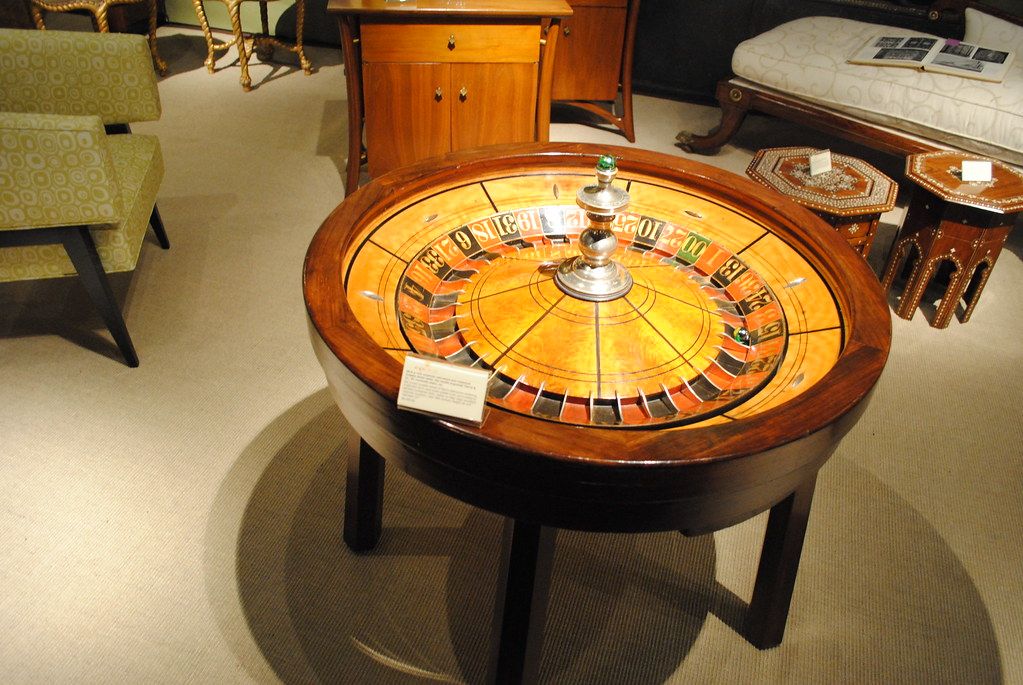
No single person can be shown to have invented roulette. The story that Blaise Pascal invented it is a legend, not a documented fact; according to Encyclopaedia Britannica, the better-supported account is that roulette grew out of older wheel and number games, and was later reshaped by the Blanc brothers' single-zero wheel in the 1840s.
The Pascal Legend and the Older Games
France's 17th-century mathematician and physicist Blaise Pascal often gets the credit. The popular tale holds that he stumbled on the wheel while trying to build a perpetual motion machine. Yet Pascal never recorded any such connection himself, and no document links him to a roulette wheel. His real contribution to gambling history lies elsewhere: his 1654 letters with Pierre de Fermat helped found probability theory, which may be why his name attached itself so easily to a game of chance.
Britannica notes that the Pascal claim is repeated in popular histories, while the better-supported account has roulette developing from earlier games. Roulette's lineage is commonly linked to older wheel and number games, including hoca, biribi, roly-poly and E.O. These games already combined the elements roulette would keep: numbered or marked spaces, a spinning device or a draw, and a bank that took an advantage on every stake.
The First Records in France
The game in its recognizable form appears in France in the late 18th century. A description published in Paris in 1796 is often cited as the first documented reference to roulette as it is known today. That reference does not prove an invention or name an inventor. It only shows that this version of the game was already circulating in Paris, not where or when it first took shape.
The older wheels carried two house pockets, a zero and a double zero. That detail matters for everything that followed, because the house pockets are where the bank's edge comes from.
The Blanc Brothers and the Single Zero
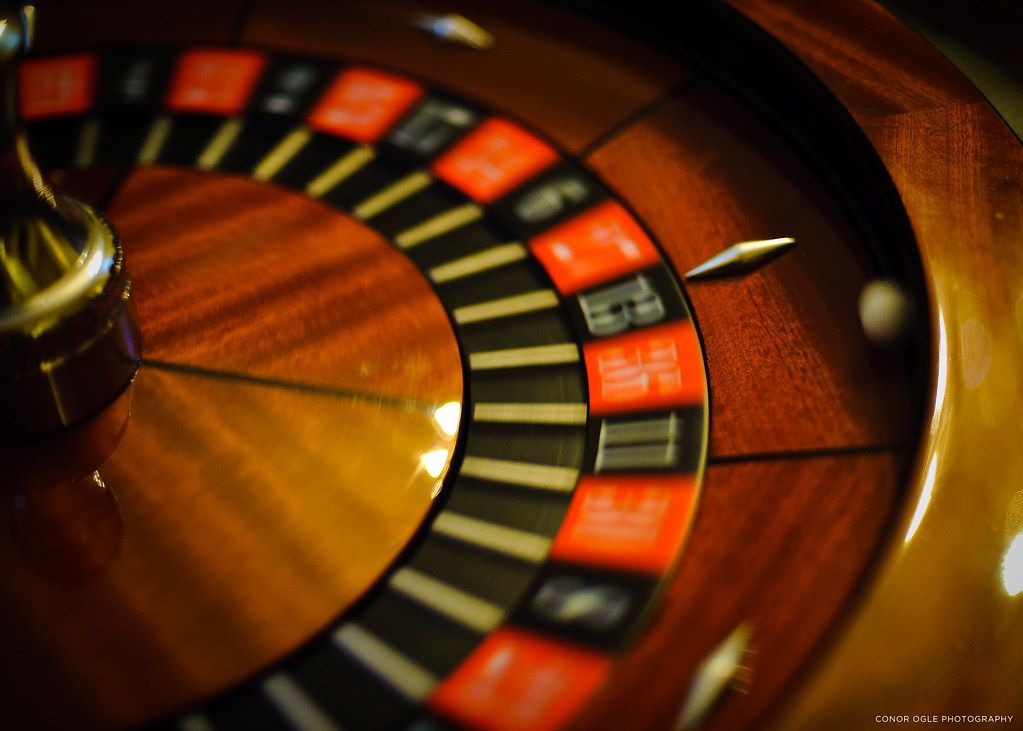
It was the Blanc brothers, François and Louis, who gave the game its major modern shape. In 1843 they opened the casino at Bad Homburg, in what is now Germany, and introduced a wheel with just a single zero. The lower house edge was the key to its success: the older wheel, with both zero and double zero, gave the house an edge of 5.26%, while the single-zero wheel cut it to 2.70%.
The single-zero wheel caught on and spread from Bad Homburg to Monte Carlo, where François Blanc later ran the casino and where the wheel became a mainstay. To this day, the European or "French" roulette wheel uses a single zero.
The American roulette wheel kept the double-zero layout. No documented decision explains why, although the extra pocket nearly doubles the house's advantage. As a result, the game split into two standard forms that still exist side by side.
Roulette, then, was not invented at a stroke. It was shaped by the games that came before it, first recorded in Paris in the 1790s, and then standardized by commercial choices. The Pascal legend survives because it gives the wheel a famous father, but the documented history is a story of gambling houses competing for players. The clearest trace of that history sits on every table today: a European wheel with one green zero and an American wheel with two.
Dates and details follow the sources named below. Where historians disagree or a story is a legend, the article says so. Corrections are welcome through the contact page.
Sources
- Encyclopaedia Britannica: britannica.com