PASPA and Murphy v NCAA
What Was PASPA and What Changed After Murphy v. NCAA?
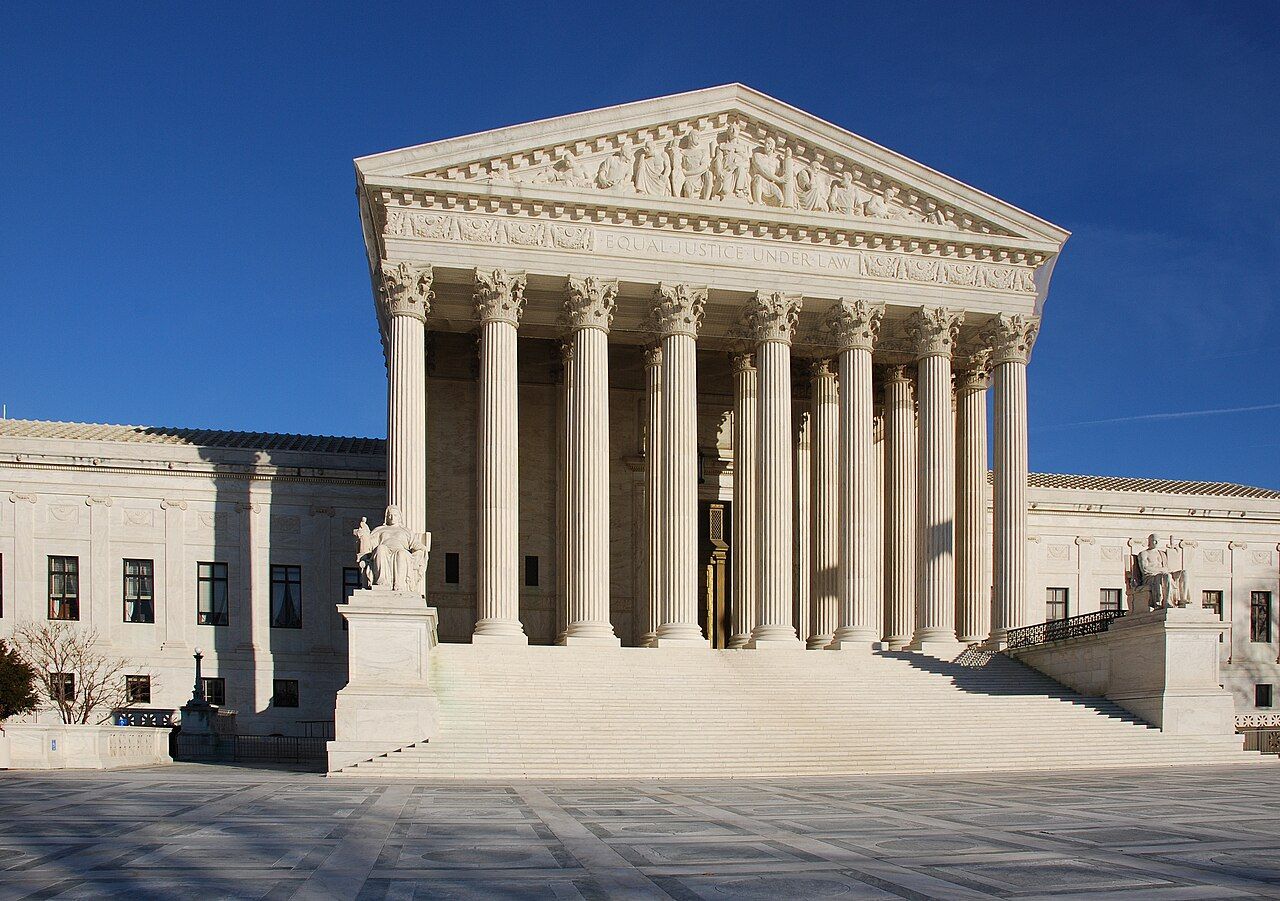
What was PASPA, and what changed after Murphy v. NCAA? The Professional and Amateur Sports Protection Act of 1992 was a federal law that barred states from authorizing sports betting. On May 14, 2018, the Supreme Court held in Murphy v. National Collegiate Athletic Association that this ban violated the anti-commandeering principle, and legalization became a question for each state.
Sports betting before Murphy
PASPA, codified at 28 U.S.C. §§ 3701–3704, made it unlawful for a state or its subdivisions "to sponsor, operate, advertise, promote, license, or authorize by law or compact" a sports betting scheme. The law did not create a federal sports betting regime; it simply froze the map as it stood in 1992, when sports betting was banned or tightly restricted in most states.
The freeze had exceptions. PASPA exempted Nevada, which was already conducting legal sports wagering, and it preserved existing forms of betting in a few other states, including Delaware, Montana and Oregon. For 26 years, a state outside that small group that wanted to license sportsbooks had no legal way to do it.
New Jersey's challenge
New Jersey was the state that took PASPA on. After voters approved a constitutional amendment in 2011 allowing the legislature to legalize sports betting, the state passed a law authorizing it at casinos and racetracks. The major sports leagues and the NCAA sued, and the federal courts blocked the law under PASPA. New Jersey then tried a different route in 2014, repealing its own prohibitions for casinos and racetracks rather than authorizing betting outright. The leagues sued again, and that fight reached the Supreme Court.
Justice Samuel Alito wrote the Court's opinion. The Court held that PASPA "unequivocally dictates what a state legislature may and may not do" and therefore impermissibly put state legislatures "under the direct control of Congress," as the Congressional Research Service summarizes the opinion. The constitutional basis was the anti-commandeering principle: Congress may regulate conduct directly, but it may not order state legislatures to keep particular laws on their books.
What Murphy changed
The ruling did not make sports betting legal nationwide, and it did not create a single federal system. It removed the federal prohibition on state authorization. Congress remained free to regulate sports gambling directly, but absent new federal legislation, each state decides for itself. States that chose to legalize passed their own laws, wrote their own regulations and licensed their own operators, so legal sports betting spread state by state, each with its own rules on where and how bets may be placed.
The list of states changes, so any printed list goes out of date quickly. The current status in a given state is best checked with that state's gaming regulator or legislature, and the Constitution Annotated on Congress.gov explains the anti-commandeering doctrine behind the decision.
Murphy turned sports betting from a federal prohibition problem into a state-law question. The present-day answer always depends on the latest word from each state's regulators and lawmakers, not from Washington.
Dates and details follow the sources named below. Where historians disagree or a story is a legend, the article says so. Corrections are welcome through the contact page.