History of the Lottery
When Was the Lottery Invented? A Short History of Lotteries
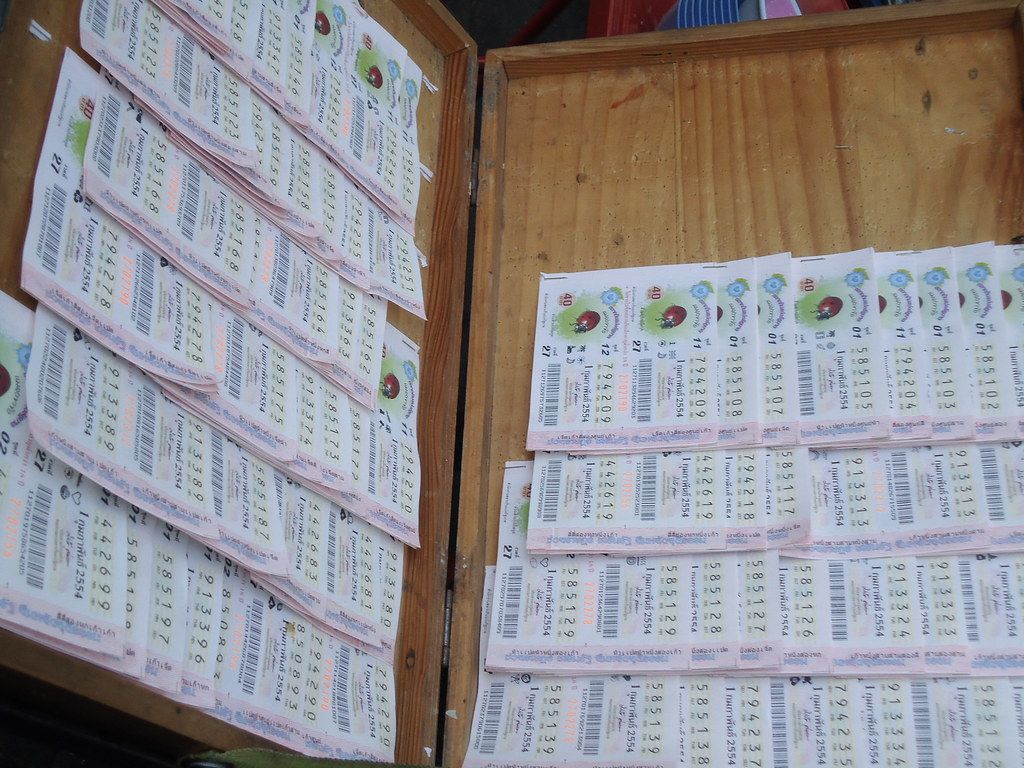
Lotteries are far older than any modern state game: towns in the Low Countries were raising money with them in the 15th century, and England, the American colonies and the young United States all used them for public finance. The modern American state lottery, however, dates only from New Hampshire in 1964, after about seven decades in which no legal government-sponsored lottery operated in the country.
Legends and the first public lotteries
Lottery-like games are often traced to China's Han dynasty, where keno slips are said to have been used, and a popular story holds that the proceeds helped fund the Great Wall. That story is legend. It is repeated widely, but no documentary evidence establishes it, and it should not be read as history. Ancient Rome offers firmer ground: Roman writers describe emperors such as Augustus holding lottery-style drawings at banquets, where guests won gifts of very different value. These were entertainments and displays of generosity, not a way of raising money.
The lottery as a tool of public finance appears in the Low Countries. Town records from places such as Ghent, Utrecht and Bruges show 15th-century lotteries that raised money for town walls and fortifications and for relief of the poor. England followed a century later. Elizabeth I announced a state lottery in 1567 to pay for the repair of harbors and other public works, and the drawing took place in 1569.
Lotteries in colonial America
The same idea crossed the Atlantic. In 1612 the Virginia Company of London was authorized to run a lottery to support its struggling settlement at Jamestown. Through the 18th century, lotteries helped pay for roads, churches and colleges in the colonies, and during the Revolutionary War the Continental Congress turned to a lottery to raise money for the Continental Army. For a government short of tax revenue, a lottery was an easy sell: people paid voluntarily, and the proceeds went to projects everyone could see.
Scandal, ban and revival
In the 19th century, the Louisiana Lottery became the symbol of everything that could go wrong. Legal historians describe it as one of the largest and most corrupt lotteries in American history, a privately owned operation with a public charter that sold tickets across the country. Congress struck back with the Anti-lottery Act of 1890, which banned the mailing and interstate transportation of lottery materials. The Louisiana Lottery did not survive the loss of its national market, and according to a California legislative report, no legal government-sponsored lotteries operated in the United States from 1894 to 1964.
The modern lottery in the United States reemerged in New Hampshire. Representative Larry Pickett proposed a sweepstakes bill five times between 1953 and 1963 before it passed, and Governor John King signed it on April 30, 1963. The state had no sales tax or state income tax, and the lottery was promoted as a way to raise money for education. Cities and towns voted by special ballot, and 198 of the state's 211 communities approved it. Tickets went on sale on March 12, 1964, and the first New Hampshire Sweepstakes race was held on September 12, 1964, at Rockingham Park in Salem. New Hampshire Lottery describes itself as the oldest legal lottery in the United States.
Across five centuries, lotteries have been used to raise money for fortifications, harbors, colleges, churches and schools, a fundraising tool that governments have always been tempted to use. Just as consistently, public suspicion and scandal have shut them down, most dramatically after the Louisiana Lottery. The history of the lottery is the story of that cycle, and New Hampshire's return in 1964 was the start of its latest turn.
Dates and details follow the sources named below. Where historians disagree or a story is a legend, the article says so. Corrections are welcome through the contact page.
Sources
- New Hampshire Lottery, “About” / history page: nhlottery.com