The Oldest Casino
What Is the Oldest Casino in the World? Venice's Ridotto and the Casinò di Venezia
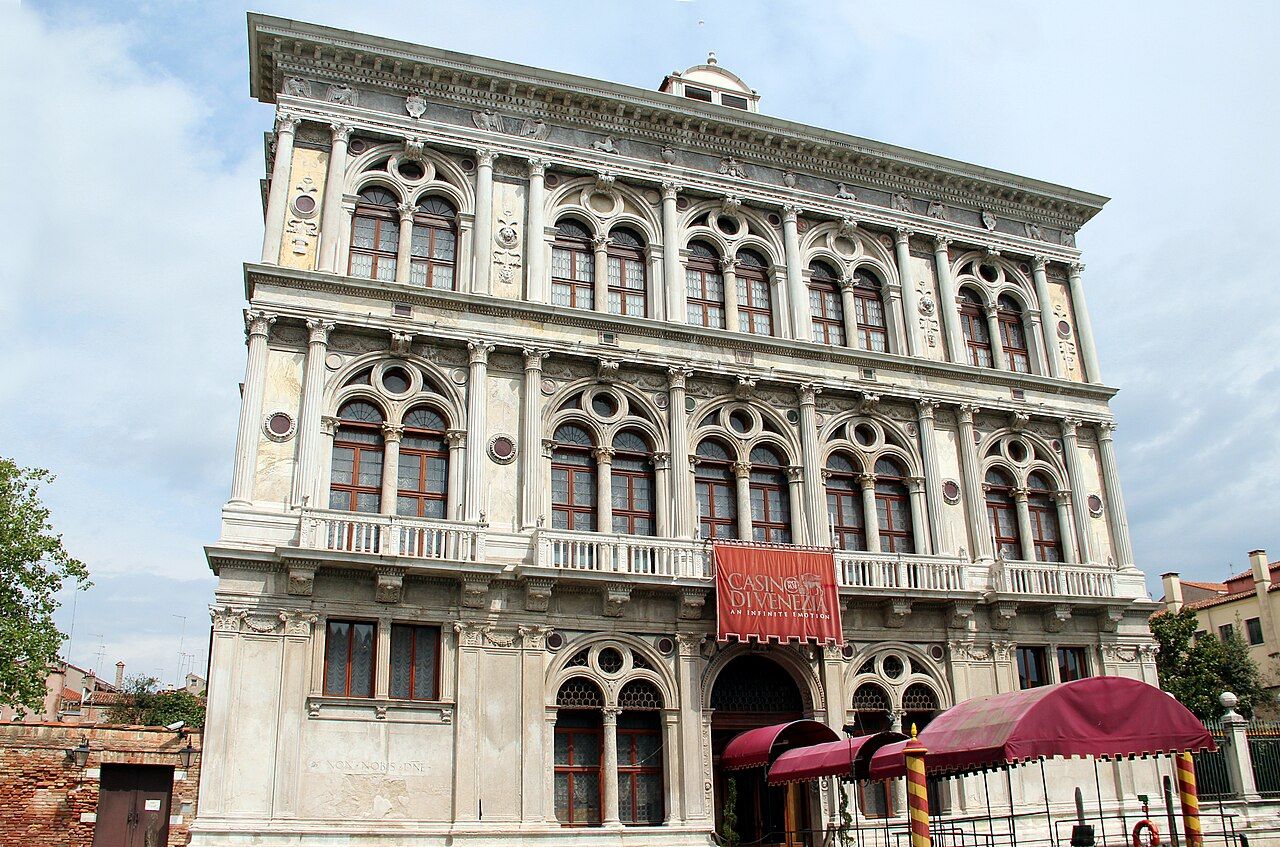
The Ridotto in Venice, opened in 1638, is widely regarded as the world's first public, state-sanctioned gambling house. It closed in 1774, so the title of oldest casino still operating goes to the Casinò di Venezia, which presents itself as the Ridotto's heir.
Venice creates the Ridotto
In 1638, Venice opened the Ridotto as a government-sanctioned gambling house open to the public during Carnival. It occupied the Palazzo Dandolo at San Moisè, near St. Mark's Square, and in its early years it opened only in the Carnival season.
The idea was practical. Rather than try to stamp out gambling, the Republic concentrated it in one supervised place and channeled part of the money into the state's coffers. The Ridotto is now held to be the first public casino in Europe, and often in the world, though "casino" is a label applied to it in hindsight.
Why Venice shut it down
Government support for the Ridotto lasted a little over a century. The Venetian authorities closed it in 1774, and the date commonly given for the decision is November 27, 1774. The closure is usually explained by concern over the heavy losses of Venetian noble families, but the text of the decision is rarely quoted, and most modern accounts rest on secondary summaries rather than the archival record.
Gambling in Venice did not end with the Ridotto. The city's legal gaming tradition was later revived, and today's Casinò di Venezia, with its historic seat at Ca' Vendramin Calergi on the Grand Canal, is widely presented as the oldest casino still operating. That claim rests on the continuity of Venice's gaming tradition, not on an unbroken history of the original Ridotto, which had closed long before.
What "oldest casino" means
The word itself helps explain the confusion. "Casino" comes from Italian, the diminutive of casa, "house," and originally meant a little house, such as a small country house or a private meeting place. Only later did it come to mean a building for gambling. The Ridotto earned the title in hindsight because it matches what the word now describes: a public, regulated place set aside for games of chance.
So the answer depends on the question. If "oldest casino" means the first documented public gambling house run with state approval, it is the Ridotto of 1638. If it means the oldest casino still open, the usual answer is the Casinò di Venezia, with the caveat that its claim is built on the Ridotto's name and legacy.
The story still frames how governments treat gambling. The Ridotto was an early experiment in the bargain that most regulated markets now make: allow gambling, keep it in licensed places and take a share for public use. Venice created the first documented public casino, but the institution that survives is a much later descendant.
Dates and details follow the sources named below. Where historians disagree or a story is a legend, the article says so. Corrections are welcome through the contact page.
Sources
- Grand Palais, “Qu’est ce que le Ridotto de Venise ?: grandpalais.fr
- Grand Palais, “Qu’est ce que le Ridotto de Venise ?: grandpalais.fr