Macau vs Las Vegas
Macau vs Las Vegas: How the Two Gambling Capitals Differ
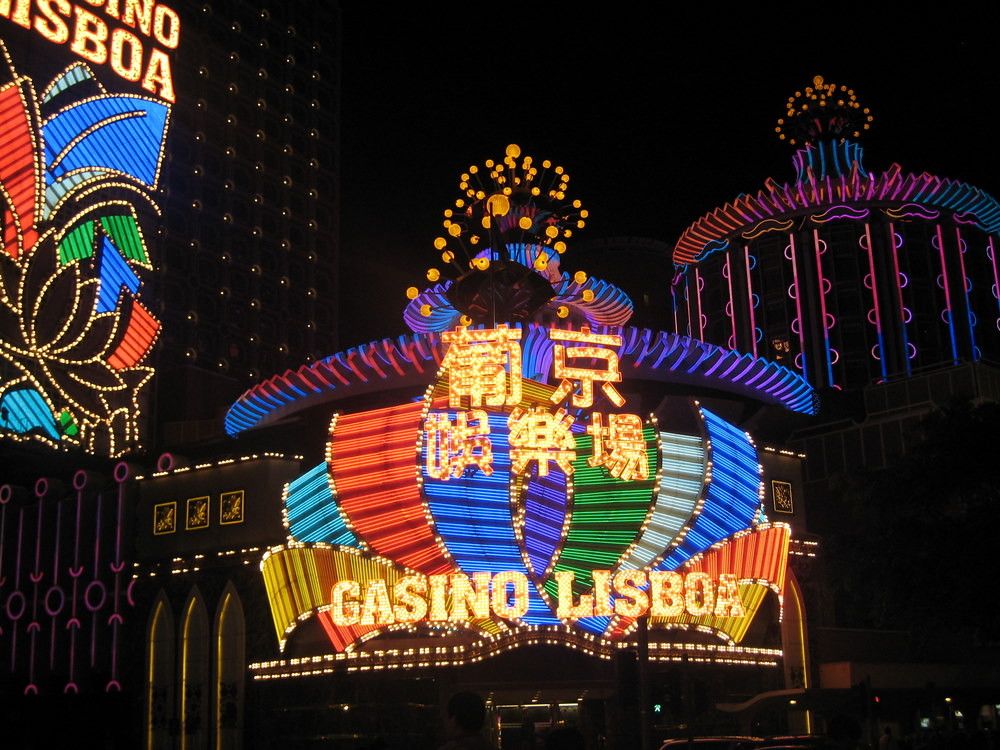
How do Macau and Las Vegas differ? Both are gambling capitals, but they reached that status by very different paths. Macau's story is one of legal gambling under Portuguese rule and a long state-granted monopoly that ended in 2002, while Las Vegas grew around a broader American model of entertainment and conventions.
From Portuguese Macau to open competition
Most histories date legal gambling in Macau to 1847, when the Portuguese colonial government legalized gaming in the territory. In 1962 the casino monopoly passed to Stanley Ho and his companies, and it lasted four decades, surviving even the territory's return to China in 1999.
The monopoly ended when Macau's government opened a tender for three gaming concessions in 2001. The industry was liberalized in 2002: one concession stayed with a Ho company, SJM, and the others went to Galaxy and to Wynn Resorts, with Las Vegas operators entering the market through that opening. In 2003, the last year shaped by the monopoly, Macau's gaming revenue was MOP$29 billion.
When Macau passed the Strip
Growth after liberalization was rapid. By the end of 2006, Macau's gaming revenue had passed $6.7 billion, and it overtook the Las Vegas Strip around 2006–2007; sources differ on the exact year, and testimony to a U.S. congressional commission in 2013 said Macau had overtaken the Strip by 2007. The same testimony reported Macau's 2012 gaming revenue at $38 billion against $10.8 billion for all of Nevada, and Macau's gross gaming revenue reached MOP$361 billion in 2013.
Annual figures change every year, so readers who need current numbers should check the official series: Macau's Gaming Inspection and Coordination Bureau (DICJ) and the Nevada Gaming Control Board both publish them.
Two different gambling economies
The deeper difference is the business model. Macau's casinos have been built around baccarat, and for years much of their revenue came from VIP rooms run with junket operators who brought in high rollers, mainly from mainland China. Las Vegas has long relied on a wider mix: slot machines and table games, but also hotel rooms, shows, dining and conventions.
| Macau | Las Vegas | |
|---|---|---|
| Legal gambling since | 19th century (usually dated 1847) | 1931 in its modern form |
| Market structure | Monopoly 1962–2002, then concessions | Many licensed operators |
| Core game | Baccarat | Slots and a broad table mix |
| Main draw | Gaming, often VIP play | Gaming plus shows and conventions |
The COVID-19 pandemic hit both in different ways. Nevada closed its casinos in spring 2020 and reopened them within months, while Macau, dependent on visitors from the mainland, faced border restrictions that kept traffic low for far longer.
Macau's rise was not just a story of bigger numbers. It was a shift from monopoly to open competition that produced a different kind of casino city: one where the gaming floor is the business, while Las Vegas has turned gambling into one part of a larger entertainment industry.
Dates and details follow the sources named below. Where historians disagree or a story is a legend, the article says so. Corrections are welcome through the contact page.
Sources
- U.S.-China Economic and Security Review Commission testimony by A.G. Burnett, 2013-06-27: uscc.gov