How Las Vegas Began
How Did Las Vegas Become the Gambling Capital of the World?
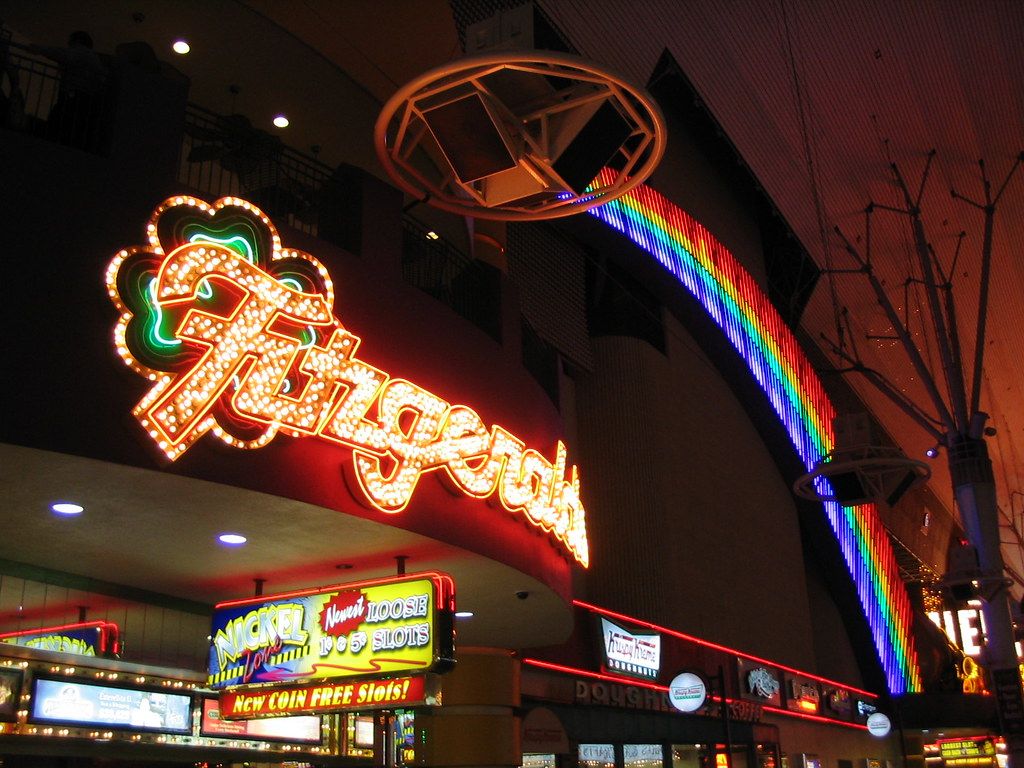
How did Las Vegas become a gambling city? Not because it always was one. It grew through a sequence of legal changes, construction booms and casino consolidation, and the popular mob-legend version blurs much of what is actually documented.
A railroad town and the 1931 law
Las Vegas was founded in 1905 as a stop on the railroad between Salt Lake City and Los Angeles, a small desert town with water and little else. Its gambling future was set by the state. On March 19, 1931, Governor Fred B. Balzar signed Assembly Bill 98, which made "wide open" gambling legal in Nevada. The bill came in the 35th session of the Nevada Legislature and passed by large margins in both chambers.
UNLV historians stress that A.B. 98 did not invent legal gambling in Nevada. The state had first legalized commercial gambling in 1869, restricted it later, and in 1931 restored it. The same year Nevada cut its divorce residency requirement to six weeks, another way of bringing visitors and their money into the state. On April 2, 1931, Clark County granted gambling licenses to eight businesses, including the Northern Club and the Las Vegas Club.
Federal construction supplied the customers. Work on Hoover Dam brought thousands of workers to the area in the 1930s and drove demand for services in nearby Las Vegas.
From Fremont Street to the Strip
The early licensed clubs sat downtown. The next step came outside the city limits: the El Rancho Vegas opened in 1941 on the highway to Los Angeles and is widely identified as the first resort on what became the Las Vegas Strip. It combined a hotel, a casino, a pool and entertainment in one property, the model the Strip would follow.
The best-known chapter is also the most mythologized. Bugsy Siegel's Flamingo opened in 1946, and Siegel was murdered in Beverly Hills in June 1947. Hollywood later cast him as the man who invented Las Vegas, but the record does not support that: El Rancho Vegas came first, and the Flamingo was one of several early Strip hotels. Organized crime money did flow into Las Vegas casinos in the postwar decades, which is why the state built a regulatory system around them.
Regulators, corporations and megaresorts
The Nevada Gaming Control Board was created in 1955 as the state's enforcement and investigative arm for gaming. The Nevada Gaming Control Act, passed on March 30, 1959, made the board the audit, investigative and administrative arm of the new Nevada Gaming Commission. In the late 1960s the reclusive billionaire Howard Hughes bought several Strip hotels, showing that large outside capital could own casinos. In 1969 Governor Paul Laxalt proposed the Corporate Gaming Act, which let corporations obtain gaming licenses without licensing every shareholder. Public companies could now build and run casinos.
The Mirage opened in 1989 and is commonly treated as the start of the modern megaresort era, with thousands of rooms, shows, shopping and dining around the casino floor.
Las Vegas became a gambling capital through law, federal money and corporate finance more than through the gangsters of film. Its story still explains the city today: a gambling town that became a regulated, corporate, destination-scale resort industry, with the Mirage as the visible marker of that change.
Dates and details follow the sources named below. Where historians disagree or a story is a legend, the article says so. Corrections are welcome through the contact page.