Roulette Numbers and 666
Why Do the Numbers on a Roulette Wheel Add Up to 666?
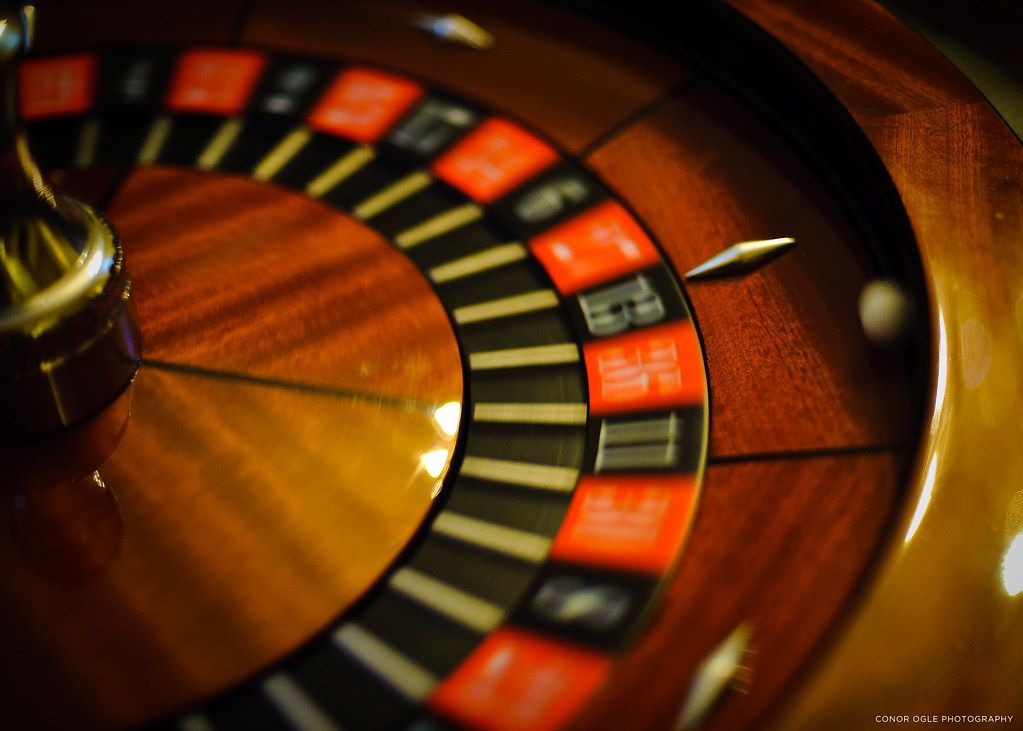
The numbers on a roulette wheel, from 1 to 36, add up to 666. That is a simple arithmetic fact and a coincidence. The story that François Blanc, the man behind the single-zero wheel, made a pact with the devil to learn the game's secrets is a legend that grew around that sum.
Why the Numbers Total 666
Adding 1 through 36 gives 666, the same result as the quick formula 36 × 37 ÷ 2. Nothing about the wheel's design requires that total; it follows from having 36 numbered pockets. But 666 is the "Number of the Beast" from the Book of Revelation, and a game that happened to produce it was bound to attract superstition. That is where roulette's nickname, the "devil's wheel," comes from.
The legend attached itself to François Blanc. Together with his brother Louis, he introduced the single-zero wheel at Bad Homburg in 1843, and Blanc later became the dominant figure at the casino in Monte Carlo. According to the popular tale, Blanc owed his success at roulette to a bargain with the devil. No historical record supports it, and when the story first appeared in print is not documented. It survives because the arithmetic gives it a hook, not because of any evidence.
How the Wheel Is Built
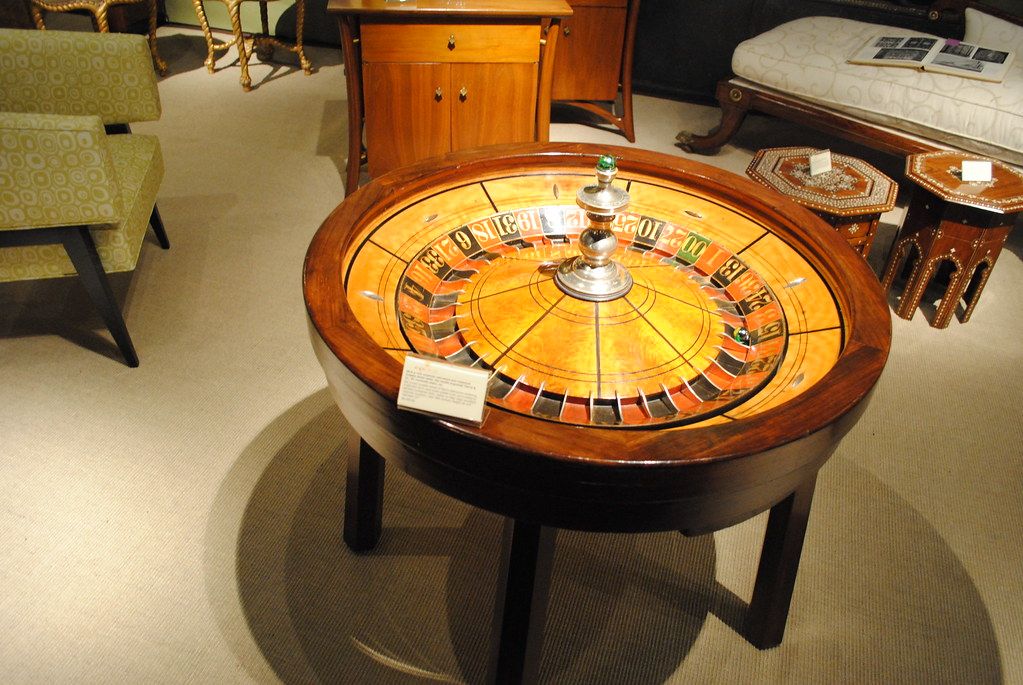
A European roulette wheel has 37 pockets: the numbers 1 to 36 plus a single green 0. The numbered pockets alternate red and black around the wheel, and the 0 is set apart in green because it belongs to neither color, which is how the house gains its edge on even-money bets.
The numbers are not arranged in order. On the European wheel, the sequence runs clockwise from 0 to 32, 15, 19, 4, 21, 2 and onward, mixing high and low, odd and even numbers around the rim. The precise reasoning behind this exact sequence is not well documented.
European and American Wheels
American roulette adds a second green pocket, the 00, for 38 pockets in total. Its number order is different as well. On the American wheel, 0 and 00 sit opposite each other, and the number after 0 is 28 rather than 32. That one extra green pocket raises the house edge from 2.70% on a single-zero wheel to 5.26% on a double-zero wheel.
The difference does not change the 666 story. The numbered pockets on both wheels are the same 1 to 36, so the total is 666 on either one. The zeros add nothing to the sum, since 0 counts as zero and 00 is not a number in the arithmetic sense.
Although the numbers from 1 to 36 sum to 666, that is only a coincidence. It is not evidence that François Blanc, or anyone else, designed roulette around the Number of the Beast. The legend endures because the fact behind it is real and easy to check with a pencil, and because the wheel itself, with its scrambled order and lone green pocket, looks more mysterious than it is. The devil story belongs to gambling folklore; the 666 belongs to arithmetic.
Dates and details follow the sources named below. Where historians disagree or a story is a legend, the article says so. Corrections are welcome through the contact page.