How Bingo Got Its Name
How Did Bingo Get Its Name? From Italy's Lotto to Beano
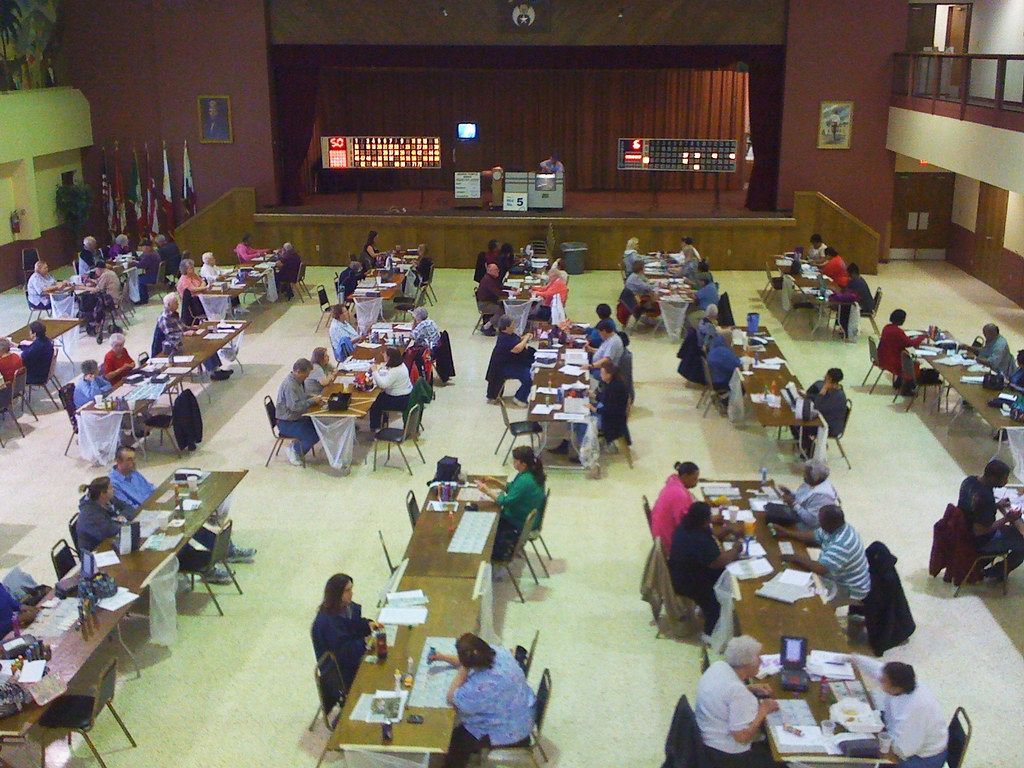
Bingo got its modern name in late-1920s America, when the New York toy salesman Edwin S. Lowe turned a carnival game called "beano" into a boxed game called bingo. The older European ancestry is a chain of lotto-style games whose exact route to America is partly legend and not fully documented.
From beano to bingo
According to The Strong National Museum of Play, Lowe came across a game called beano at a carnival in Georgia in 1929. In his later account, the players used hand-stamped boards and marked their numbers with dried beans, and the operator told him the game came from a lotto game played in Europe. His 1986 obituary in the Los Angeles Times adds that the operator said he had first seen it at a German circus, and that beano then used only 12 cards with 12 possible number combinations.
Lowe then tested the game with friends in New York. As the legend goes, a player who completed a line got so excited that they shouted "bingo" instead of "beano," and Lowe adopted the slip as the name of his game. The museum itself introduces this story with "as the legend goes," and it should be read that way: it comes from Lowe's own later retelling, not from a record made at the time.
An older lottery trail
The deeper history reaches back to Italy. Popular histories trace the game to the Italian state lottery, Il Gioco del Lotto d'Italia, in the 16th century, and say a version reached France in the 18th century as le lotto. From there, lotto-style games with cards and numbered draws spread widely in Europe.
What the record cannot show is a clean, direct line from the Italian lottery to the beans on a Georgia carnival table. The European games are real, and Lowe's informant said the game came from Europe, but the steps between them are reconstructed rather than documented. The chain is best read as a family of similar games, not as one game passed from hand to hand.
How bingo became a social game
Once Lowe's version was on sale, bingo spread quickly in the United States and became a standard fundraiser for churches and charities. In Britain, the Betting and Gaming Act 1960 was the key legal change: it opened the way for commercial bingo clubs, and many former cinemas and dance halls were turned into bingo halls in the years that followed.
British bingo also gave the game its calling nicknames, rhymes and jokes attached to numbers, such as "legs eleven" for 11 and "two fat ladies" for 88. Many calls are old, but when and by whom each one was first used is not documented, so their individual origin stories are best treated as folklore.
The name bingo is well documented as an American creation of the late 1920s, even if the famous shout that produced it rests on Lowe's word. The game behind the name is much older and only partly reconstructed. That gap between a documented renaming and a long, uncertain European heritage is typical of games of chance, which were played for centuries before anyone wrote down where they came from.
Dates and details follow the sources named below. Where historians disagree or a story is a legend, the article says so. Corrections are welcome through the contact page.