Blackjack's Origin Story
How Did Blackjack Get Its Name? From Vingt-et-Un to 21
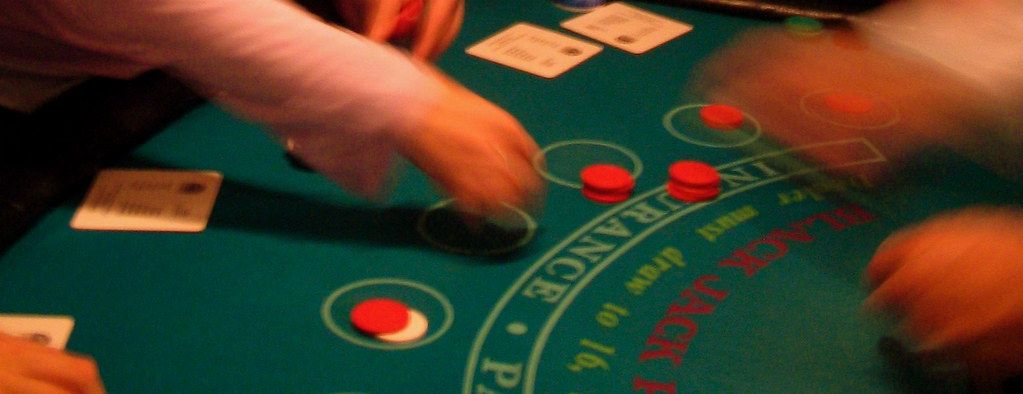
Blackjack was not born as "blackjack." The game descends from European card games of "twenty-one," above all the French vingt-et-un, and it picked up its American name much later, in North America. The popular story behind that name, a bonus for an ace and a black jack, is an explanation that card historians have questioned, not a proven fact.
From Vingt-et-Un to Twenty-One
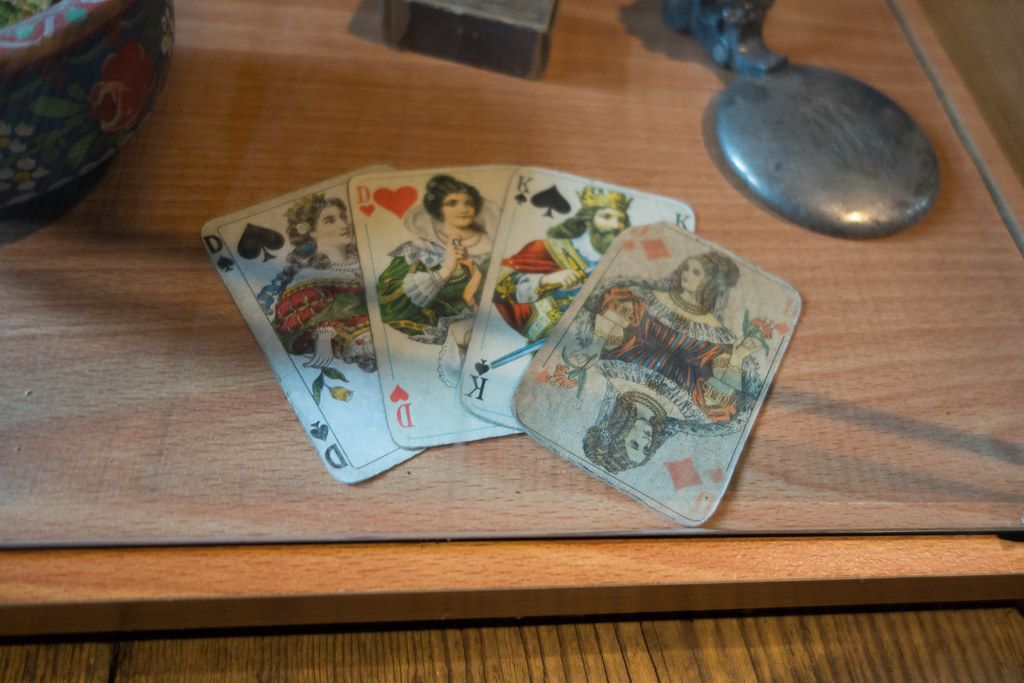
The direct ancestor of blackjack was the French game vingt-et-un, or "twenty-one," played in France in the 18th century. Related banking games existed in Spain and Italy as well. In Spain, Miguel de Cervantes mentions a game called ventiuno in his early 17th-century fiction, which shows that counting to twenty-one was already a familiar gambling idea there. German players knew a similar game as siebzehn und vier, "seventeen and four," a name that itself adds up to twenty-one.
The game eventually found its way to North America, where its name and character would shift. Its modern form took shape in the United States in the 19th and 20th centuries, as casinos refined the rules and began to promote the game.
Where the Name Came From
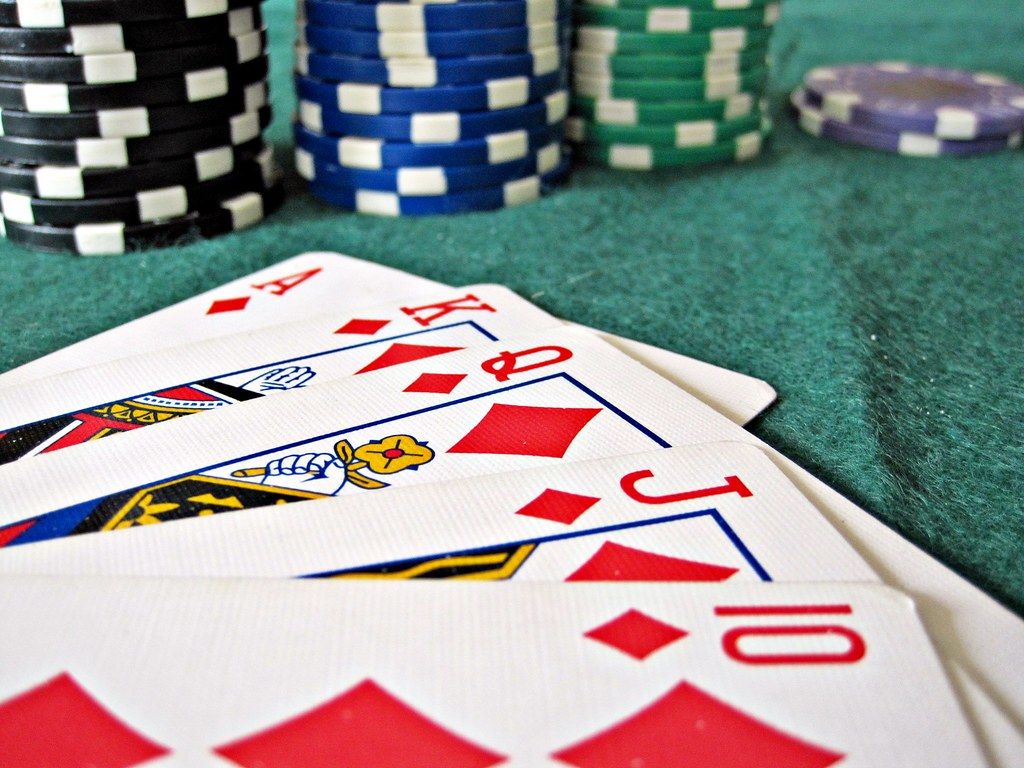
Why the game came to be called "blackjack" is part legend and part promotion. The popular story is that American gambling houses offered a special bonus payout for a hand made of the ace of spades and a black jack, either the jack of clubs or the jack of spades. That card combination was called a "blackjack," and the name supposedly stuck to the game even after the bonus was withdrawn.
The French card historian Thierry Depaulis has argued against that version. In his account, the name comes from prospectors in the Klondike Gold Rush of 1896 to 1899, and the bonus involved the usual ace and any 10-point card, not a special ace of spades with a black jack. Neither explanation rests on a clear first documented use of the word for the game, so the origin of the name remains uncertain. The ace-and-black-jack story is best read as a tidy explanation that grew up after the fact.
When Blackjack Became a Game of Math
By the mid-20th century, blackjack changed in another way: it became a subject of mathematical analysis. In 1956, Roger Baldwin, Wilbert Cantey, Herbert Maisel and James McDermott published "Optimum Strategy in Blackjack" in the Journal of the American Statistical Association. The four authors showed that the player's decisions could be optimized hand by hand.
In 1962, Edward O. Thorp published Beat the Dealer, which took that mathematics to a mainstream audience. Thorp showed that because cards already dealt are not returned to the deck until the shuffle, the odds shift as play goes on, an idea that became the basis of card counting. The book turned blackjack into the best-known example of a casino game that could be studied, not just played.
The game's name may never be settled. It could come from a forgotten casino bonus or from the slang of Klondike prospectors, and the evidence for either is thinner than the confident retellings suggest. What is documented is the longer arc: a European twenty-one game crossed to America, took on an American name, and by the middle of the 20th century was being treated as a problem in probability, which is how scholars and casinos alike still approach it today.
Dates and details follow the sources named below. Where historians disagree or a story is a legend, the article says so. Corrections are welcome through the contact page.